Words of Affirmation Love Language: 40 Examples for Couples
Have you ever felt like you’re shouting your love from the rooftops, but your partner can’t seem to hear it? You might be doing everything you can to show you care, yet a gap remains. This silent struggle is common. It often comes down to a simple misunderstanding: you and your partner may be speaking different love languages.
One of the most powerful of these languages is Words of Affirmation. For someone whose primary love language is this, hearing "I love you" is wonderful. But hearing why you love them can change their entire world. It’s about using words to build up, encourage, and express genuine appreciation.
This guide is designed to bridge that communication gap. We’ll explore what Words of Affirmation truly means and provide you with practical, heartfelt examples you can use today. The best way to start is to take our free love language test to truly connect.
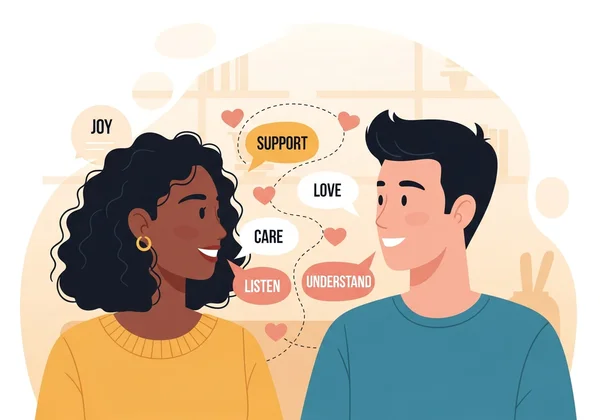
Understanding the "Words of Affirmation" Love Language
Based on Dr. Gary Chapman's groundbreaking theory, the five love languages describe the different ways people give and receive love. For those who prioritize Words of Affirmation, unsolicited compliments mean more than any gift. Verbal encouragement outweighs grand gestures. It’s the language of expressed appreciation, and mastering it can transform your connection.
What True Words of Affirmation Sound Like
True Words of Affirmation beat basic compliments like 'You look nice.' They're specific and sincere. They honor character, efforts, and true value. They are words that say, "I see you, I appreciate you, and I’m proud of you."
This love language includes:
-
Praise: Acknowledging a specific accomplishment or quality.
-
Encouragement: Inspiring courage and confidence, especially during difficult times.
-
Kind Words: Using a gentle and patient tone, even during disagreements.
-
Humble Words: Expressing requests with kindness instead of making demands.
The Impact of Genuine Praise and Encouragement
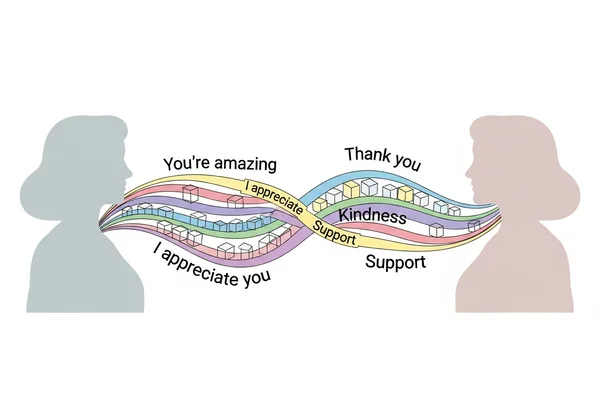
When you speak this language to a partner who needs to hear it, the impact is profound. Genuine affirmations build self-esteem. They create security in your love. And they fill your relationship with positivity. Your words become a source of strength, reminding them they are loved, valued, and understood.
Conversely, for someone who thrives on affirmation, harsh criticism feels like a direct emotional wound. A lack of verbal praise can be just as painful. Learning to speak their language isn't just a nice thing to do. It's essential for their emotional well-being and the health of your partnership.
40 Everyday Words of Affirmation Examples for Couples
Ready to put this language into practice? Here are 40 examples, broken down by situation, to help you express your love and appreciation in a way your partner can truly feel.
Daily Appreciation and Compliments
These simple phrases, used consistently, reinforce your love on a daily basis.
-
"I was thinking about you today, and it made me smile."
-
"You are such a great parent to our kids."
-
"I really appreciate you taking care of that chore. It made my day so much easier."
-
"You have the best laugh."
-
"I love how passionate you get when you talk about [their hobby/interest]."
-
"Thank you for listening to me. I always feel understood when I talk to you."
-
"You make our home feel so warm and welcoming."
-
"I am so lucky to have you in my life."
Words of Encouragement and Support Through Challenges
When life gets tough, your words can be a powerful lifeline.
- "I believe in you completely. You've got this."
- "No matter what happens, we are a team, and I’m here for you."
- "I know this is hard, but I’ve seen you overcome so much. You’re incredibly strong."
- "Don’t give up on your dream. I’m so proud of you for pursuing it."
- "Remember that mistake? It doesn’t define you. What defines you is how you’re handling it now."
- "Take the time you need. Your well-being is my top priority."
- "Whatever you decide, I will support you."
- "Your hard work and dedication are truly inspiring."
Expressing Love, Affection, and Commitment
These affirmations deepen your bond and build a foundation of security.
- "Being your partner is the best thing that’s ever happened to me."
- "I fall in love with you a little more every single day."
- "I love the person you are and the person you’re becoming."
- "My favorite place in the world is right next to you."
- "I choose you. Today, and every day."
- "You are my best friend and my greatest adventure."
- "I can’t imagine my life without you in it."
- "I love you more than words can say, but I'll never stop trying to tell you."
Affirmations for Apologies and Rebuilding Trust
After a conflict, the right words can heal and reconnect.
- "I was wrong, and I’m so sorry for hurting you."
- "Your feelings are valid, and I’m listening."
- "Can you help me understand how my actions affected you?"
- "I value our relationship more than being right."
- "Thank you for giving me the grace to make mistakes."
- "I am committed to rebuilding your trust, starting right now."
- "How can I make this right?"
- "Please forgive me. Your happiness means everything to me."
Celebrating Achievements and Milestones Together
Acknowledge their wins, big and small, to show you’re their biggest fan.
- "I am so incredibly proud of you for achieving this!"
- "You earned every bit of this success. It’s amazing to watch you shine."
- "Let’s celebrate you! What you’ve done is a huge deal."
- "I knew you could do it all along."
- "Seeing you so happy and fulfilled makes me happy."
- "Your dedication paid off, and it's so inspiring."
- "This is just one more reason why you’re so amazing."
- "Cheers to another milestone together. I can’t wait to see what you do next."
Making Your Affirmations Authentic and Impactful
Simply reciting a list of phrases won't create a lasting connection. The power of Words of Affirmation lies in their sincerity. Here’s how to make your words truly count.
Sincerity and Specificity: The Keys to Resonance
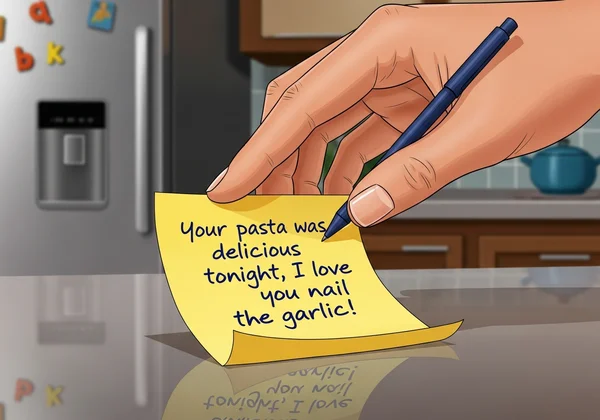
Skip generic 'good job.' Go specific. Swap 'Thanks for dinner' for: 'This pasta is delicious! You always nail the garlic.' Specificity shows you are paying attention. Sincerity ensures your words feel genuine, not like you're just reading from a script.
Tailoring Your Words to Your Partner's Unique Needs
What does your partner value most about themselves? What are they insecure about? Tailor your affirmations to build them up where they need it most. If they’re nervous about a presentation, affirm their intelligence. If they feel unappreciated at work, affirm their dedication. Don’t know where to start? Take our free love language quiz for couples together to reveal what they need to hear.
Overcoming Awkwardness and Building a Habit
Verbal praise feel awkward? No worries. Start small: a quick text or mirror sticky note. One couple we know found that leaving silly, appreciative sticky notes for each other turned a tense morning routine into a moment of connection. The more you practice, the more natural it becomes. The goal is to make positive affirmation a regular part of your communication, not a rare event.
Speak Their Language, Deepen Your Connection
Words have the power to build, heal, and transform. By learning to speak the Words of Affirmation love language, you’re not just saying nice things. You’re actively investing in your partner’s emotional well-being. You're strengthening your relationship's foundation. And you're showing them, in a language they understand, that they are seen, valued, and deeply loved.
Ready to hear your partner light up? Let's make it happen.
Take the next step now. Start your free love language test to discover both your and your partner’s primary love languages and begin your journey to a more connected partnership.
Common Questions About Words of Affirmation
How Do I Find My Love Language (and My Partner's)?
Honestly, the best way is to reflect on what makes you feel most loved. Do you feel more connected from a heartfelt compliment or from your partner doing the dishes? For a clear answer, the easiest method is to take a dedicated quiz. Our free and quick love language test can provide insightful results for you and your partner in minutes.
Can a Person's Love Language Change Over Time?
Yes, it can. While most people have a stable primary love language, its ranking can shift. Life stages, new circumstances, and personal growth can all play a role. A new parent might temporarily value Acts of Service more than usual. It’s a great idea to check in with each other. Retaking our free love language test every few years can help you stay in sync.
What if I'm Not Naturally Good with Words of Affirmation?
That's perfectly okay. Many people find it challenging, especially if it wasn't common in their upbringing. The key is to start with sincerity, even if it feels clumsy. Use the examples in this article as a starting point. The effort you make to learn their language will be a powerful act of love in itself.
Do Love Languages Have to Match for a Couple to Be Happy?
Absolutely not. In fact, very few couples have matching love languages. The goal isn’t to be the same; it's to understand and love each other better. Happiness comes from the willingness to learn and speak your partner's language, and from them doing the same for you. It's a beautiful act of empathy that bridges differences and builds a stronger bond.