Types of Love — 8 Greek Words That Reveal How You Connect
Love is not one feeling. It is many. You might feel a quiet warmth for a lifelong friend, an electric pull toward a new partner, or a steady devotion to your family. The ancient Greeks understood this long before modern psychology caught up — they had at least eight distinct words for love, each describing a different way humans bond. In this guide, you will explore every major type of love, from the passionate fire of eros to the selfless depth of agape. You will also discover how love language insights can help you understand which forms of love matter most in your own relationships. By the end, you will have a practical framework for recognizing, expressing, and strengthening the love in your life.
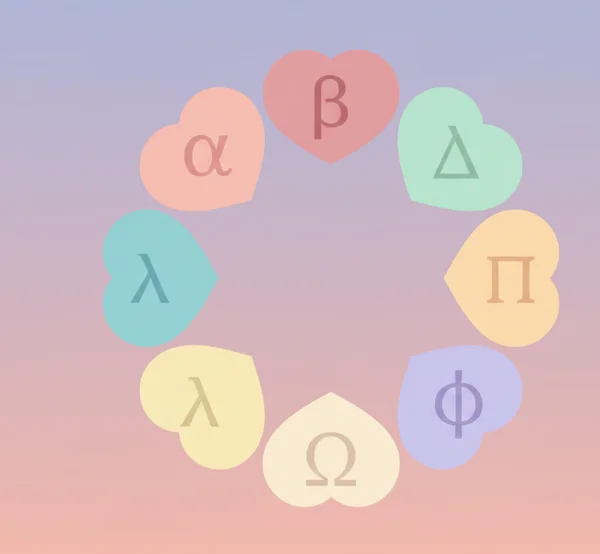
What Are the Greek Types of Love?
The ancient Greeks identified multiple forms of love because they recognized that one word could never capture every shade of human connection. While modern English forces us to use "love" for everything — from pizza to partners — Greek philosophy gave each experience its own name and definition.
These categories are not rigid boxes. You may feel several types of love toward the same person, or shift between them as a relationship evolves. Understanding them helps you see your own emotional landscape more clearly.
Here is a brief overview of all eight types:
| Greek Term | Type of Love | Core Quality |
|---|---|---|
| Eros | Romantic / Passionate | Desire and physical attraction |
| Philia | Deep Friendship | Mutual respect and shared values |
| Agape | Unconditional | Selfless, giving without expectation |
| Storge | Familial | Natural affection within families |
| Ludus | Playful | Flirtatious, lighthearted connection |
| Pragma | Enduring | Long-term commitment and patience |
| Philautia | Self-Love | Healthy self-compassion |
| Mania | Obsessive | Possessive, jealousy-driven attachment |
What Is Eros — Romantic and Passionate Love?
Eros refers to romantic love driven by physical attraction and emotional intensity. Named after the Greek god of desire, this type of love is what most people picture when they hear the word "love." It involves chemistry, longing, and a strong pull toward another person.
However, eros is not only about physical desire. The philosopher Plato expanded the concept to include a yearning for beauty and deeper truth — what eventually became known as "Platonic love." In healthy relationships, eros often serves as the spark that draws two people together before deeper bonds develop.
How Eros Shows Up in Everyday Relationships
- You feel butterflies or excitement when you see your partner.
- Physical closeness — holding hands, eye contact, touch — feels essential.
- You think about your partner frequently during the day.
- Early-stage dating often centers on erotic connection before other bonds deepen.
Worth noting: Eros alone rarely sustains a long-term relationship. Most lasting partnerships combine eros with pragma, philia, or agape over time.
What Is Philia — The Power of Deep Friendship?
Philia describes the love between close friends — a bond built on mutual respect, shared experiences, and genuine care for each other's well-being. Aristotle considered philia one of the most important forces in human life. He wrote that no one would choose a life without friends, even if they had every other advantage.
Three Levels of Friendship According to Aristotle
- Friendships of utility — based on mutual benefit (colleagues who help each other succeed).
- Friendships of pleasure — based on enjoyment (workout buddies, travel companions).
- Friendships of the good — based on admiration for each other's character (the deepest form of philia).
Philia matters because it is often the foundation that romantic love rests on. Couples who describe their partner as their "best friend" are frequently experiencing philia alongside eros.

What Is Agape — Unconditional and Selfless Love?
Agape is the Greek word for unconditional love — the kind that expects nothing in return. In Christian theology, agape often refers to God's love for humanity. In everyday life, it shows up whenever someone acts with genuine selflessness: volunteering for a stranger, forgiving someone who hurt you, or supporting a friend through their worst moments without keeping score.
Key Qualities of Agape Love
- It is a choice, not just a feeling. You decide to love even when it is hard.
- It extends to everyone — not only family or close friends.
- It focuses on giving rather than receiving.
- It does not depend on the other person's behavior.
Agape is often considered the highest form of love across many philosophical and spiritual traditions. Practicing even small acts of agape — patience in traffic, kindness to a difficult coworker — can gradually shift how you experience all your relationships.
What Is Storge — Familial Love and Natural Affection?
Storge refers to the instinctive affection found within families. It is the love a parent feels for a child, or the quiet bond between siblings who have grown up together. Unlike eros or philia, storge does not need to be earned. It exists naturally, rooted in familiarity and shared history.
This type of love is often so embedded in daily life that people overlook it. However, storge plays a critical role in emotional security. Children who experience consistent storge tend to develop healthier attachment patterns as adults.
How Storge Differs from Other Types of Love
- It does not require passion or excitement.
- It is built on years of shared experience rather than conscious choice.
- It often feels like "home" — comfortable, predictable, and safe.
- It can extend beyond biology to include chosen family — long-term friends, mentors, or community members who feel like kin.
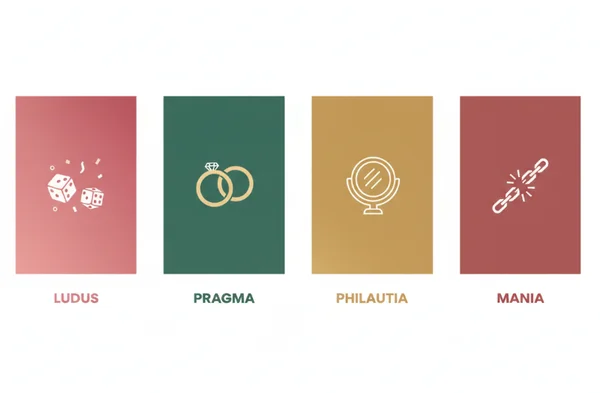
What Are Ludus, Pragma, Philautia, and Mania?
Beyond the four most discussed types of love, the Greeks identified several additional categories that capture important — and sometimes overlooked — emotional experiences.
Ludus — Playful, Flirtatious Love
Ludus is the lighthearted love you see in the early stages of dating. Teasing, laughter, flirting, and the thrill of getting to know someone new all fall under ludus. It is not shallow — playfulness is actually a key ingredient in lasting relationships. Couples who maintain a sense of ludus often report higher satisfaction over time.
Pragma — Enduring, Committed Love
Pragma describes love that has stood the test of time. It involves patience, compromise, tolerance, and deliberate effort. Where eros is about falling in love, pragma is about staying in love. Couples married for decades often embody pragma — they choose each other daily, even when the initial excitement fades.
Philautia — Healthy Self-Love
Philautia is the love you direct toward yourself. In its healthy form, it looks like self-compassion, setting boundaries, and investing in your own growth. The Greeks understood that you cannot truly love others until you learn to love yourself. However, philautia can become unhealthy when it tips into narcissism or self-absorption.
Mania — Obsessive Love
Mania describes a possessive, jealousy-driven love that often stems from insecurity. When someone experiences mania, they may become controlling, overly dependent, or consumed by fear of losing their partner. Recognizing mania in yourself or a relationship is an important step toward healthier patterns.
What Are the 4 Types of Love in the Bible?
Many people search for "types of love in the Bible" because biblical texts use several Greek words that English simply translates as "love." Understanding these four biblical types of love offers a richer reading of scripture and deeper self-reflection.
- Eros — Romantic love. While the word does not appear directly in the Bible, the Song of Solomon celebrates this passionate bond between partners.
- Storge — Family love. Romans 12:10 encourages believers to be "devoted to one another in love," reflecting natural familial affection.
- Philia — Brotherly love. The name Philadelphia literally means "city of brotherly love," and this concept runs throughout the New Testament.
- Agape — God's unconditional love. First Corinthians 13 is perhaps the most famous passage describing agape: "Love is patient, love is kind."
These categories overlap significantly with the broader Greek types of love discussed above. The biblical perspective emphasizes that agape — choosing to love sacrificially — is the most important and most transformative form.
How Do Different Types of Love Connect to Love Languages?
You may express eros through physical touch, or show agape through acts of service. Philia might thrive through quality time, while storge often involves words of affirmation spoken within a family. Each type of love has its own "language" — and understanding your personal preferences can transform how you give and receive affection.
A Quick Connection Map
| Type of Love | Often Expressed Through | Love Language Link |
|---|---|---|
| Eros | Physical touch, gift-giving | Physical Touch, Receiving Gifts |
| Philia | Shared activities, deep talks | Quality Time |
| Agape | Helping without being asked | Acts of Service |
| Storge | Daily encouragement, presence | Words of Affirmation, Quality Time |
| Pragma | Consistent effort, compromise | Acts of Service, Quality Time |
This connection matters because mismatches between love types and love languages can create confusion in relationships. You might feel deep agape for a partner but express it through acts of service — while they crave words of affirmation. Recognizing these patterns helps bridge the gap.
If you are curious about how you personally express love, exploring your own love language profile can offer meaningful clarity.
How to Identify Which Types of Love Matter Most to You
Understanding the different types of love is valuable. Applying that understanding to your own life is where real change happens. Here is a simple reflection process you can use.
Step-by-Step Self-Reflection Checklist
- Name your closest relationships. Write down the five most important people in your life.
- Identify the dominant love type for each. Is it philia? Storge? Eros? A combination?
- Notice what feels missing. Do you crave more playfulness (ludus)? More unconditional support (agape)? More self-compassion (philautia)?
- Ask how you express love. Consider whether your actions match what the other person actually needs.
- Check for mania patterns. If any relationship involves possessiveness, jealousy, or fear of abandonment, acknowledge that honestly.
- Take a practical next step. Share your reflections with a trusted person, or explore a structured self-understanding tool.
This kind of reflection is not about labeling yourself or your relationships. It is about building awareness so you can communicate more clearly and love more intentionally.
When Love Feels Complicated — Seeking Deeper Understanding
Love rarely fits neatly into categories. You might experience eros and mania at the same time, or struggle to tell the difference between pragma and emotional numbness. These overlaps are normal.
If you find yourself repeatedly confused about how you give or receive love, structured reflection tools can help organize your thoughts. A free love language assessment is one gentle starting point — it will not diagnose anything or tell you what your relationships "should" look like. Instead, it offers a framework for understanding your natural tendencies.
This content is for educational purposes and self-understanding only. It does not replace professional counseling or therapy. If you are experiencing distress in a relationship, consider reaching out to a licensed mental health professional.
Frequently Asked Questions
What are the 4 types of love?
The four types of love most commonly referenced come from Greek philosophy and biblical tradition: eros (romantic love), storge (family love), philia (friendship love), and agape (unconditional, selfless love). These four appear frequently in theological and philosophical discussions about the nature of human connection.
What are the Greek types of love?
Ancient Greeks identified at least eight types of love: eros, philia, agape, storge, ludus, pragma, philautia, and mania. Each describes a distinct way people experience emotional connection, from passionate desire to playful affection to selfless devotion.
What is the difference between love and love languages?
"Types of love" refer to the different forms love can take (romantic, familial, unconditional). "Love languages" describe how individuals prefer to express and receive love — through words, time, gifts, service, or touch. They are complementary frameworks.
How many types of love are there?
The number depends on the framework. Greek philosophy names eight. The Bible highlights four. Sternberg's Triangular Theory identifies seven combinations. Most commonly, people reference between four and eight distinct types of love.
What are the types of love in the Bible?
Biblical types of love include eros (romantic passion), storge (family affection), philia (brotherly friendship), and agape (God's unconditional love). Agape is generally considered the highest and most important form in Christian teaching.
Can you experience multiple types of love at once?
Yes. Most deep relationships involve a blend of several love types. A long-term partner may inspire eros, philia, and pragma simultaneously. A close sibling may evoke storge and philia. Blended love types are healthy and normal.