Receiving Gifts Love Language: Its the Thought That Counts
Receiving Gifts Love Language: It's the Thought That Counts
The Receiving Gifts love language is perhaps one of the most misunderstood of the five. Often mistakenly equated with materialism, its true essence lies far deeper. What does the receiving gifts love language truly mean? It’s about the tangible symbols of love, care, and being remembered. This guide unwraps the profound meaning behind this language, offering insights into meaningful gifts love language expressions and thoughtful gift ideas that genuinely convey affection. If you suspect this might be your or your partner's primary language, discover your full love language profile on our site.
What is the "Receiving Gifts" Love Language, Really?
At its core, the "Receiving Gifts" love language centers on feeling loved and valued through the act of receiving a tangible item that symbolizes thought, effort, and affection from another person. Is the receiving gifts love language materialistic? Not necessarily, and often, not at all.

The Core Concept: Tangible Symbols of Affection
For someone whose primary love language is Receiving Gifts, a gift is more than just an object; it's a physical representation of love. It says, "I was thinking of you," "You are important to me," and "I remembered." The emotional connection is tied to this tangible token.
It's Not About the Price Tag, It's About Being Remembered
The monetary value of a gift is often secondary, or even irrelevant, for those who speak this language. A small, inexpensive item chosen with care can mean far more than a costly but impersonal one. The act of being thought of and remembered through a visual reminder of love is what truly resonates.
How This Language Differs from Materialism
Materialism focuses on the acquisition of possessions for status or personal gratification. The Receiving Gifts love language, however, focuses on the meaning and intention behind the gift as an expression of love and connection from another person. It's about the sentimental value, not just the item itself.
Beyond Materialism: The True Symbolism of a Gift
To truly understand this love language, we must look beyond the surface and appreciate the rich symbolism of gifts. What makes a gift symbolic in a love language context?

Gifts as Visual Reminders of Love and Care
A gift serves as a lasting, physical reminder that someone cares. Each time the recipient sees or uses the gift, they can be reminded of the giver's affection and the moment it was given. These are powerful tokens of affection.
How Gifts Embody Effort, Thought, and Connection
Selecting and giving a gift requires thought, time, and effort. This investment is what makes the gift meaningful. It shows the giver was willing to expend energy to bring joy or show appreciation, strengthening the bond between partners.
Understanding the Emotional Value of Symbolic Gifts
A symbolic gift might represent a shared memory, an inside joke, a personal passion, or a future aspiration. Its value lies not in its utility or cost, but in the unique story and emotional meaning it carries for the giver and receiver. This is central to the gift giving love language.
Why Thoughtful Gifts Speak Volumes to Some Individuals
For individuals whose primary love language is Receiving Gifts, a carefully chosen present can be the most profound expression of love. Why are thoughtful gifts so important to some?
Feeling Seen, Understood, and Cherished
A thoughtful gift demonstrates that the giver has paid attention to the recipient's likes, dislikes, needs, and desires. This makes the recipient feel deeply seen, understood, and cherished, fulfilling their need for validation.
The Joy of Knowing Someone Thought Specifically of You
There's a unique joy in knowing that someone took the time and effort to select something specifically for you. It's a powerful affirmation of your importance in their life. This enhances feelings of being special.
How Gifts Can Meet Deep Emotional Needs
For someone with this love language, a gift isn't just a thing; it can meet deep-seated emotional needs for security, appreciation, and feeling valued. It’s a tangible way they register love. You can explore how this language ranks for you with the official love language test.
The Art of Giving: Meaningful Gifts Love Language Ideas
Mastering the gift giving love language is about thoughtfulness, not expense. Here are some meaningful gifts love language ideas to inspire you:
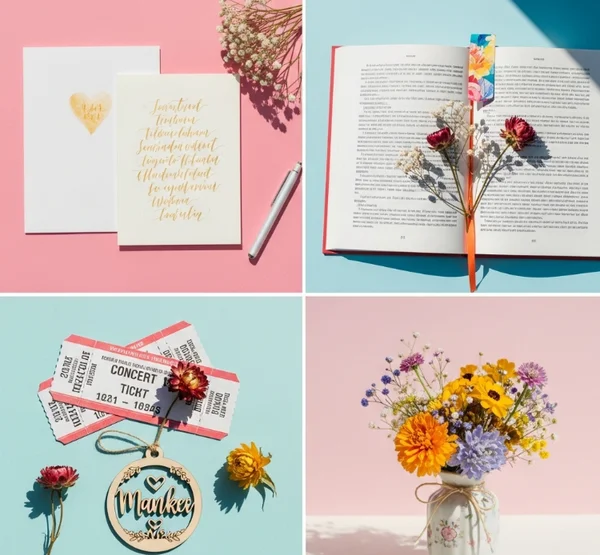
Gifts That Show You Listen (Based on Hints & Preferences)
- An item they casually mentioned wanting weeks or months ago.
- Their favorite, hard-to-find snack or drink.
- A book by an author they love or on a topic they're passionate about.
- Music from an artist they enjoy. These demonstrate attentive listening.
Gifts That Symbolize Shared Memories or Inside Jokes
- A framed photo from a special occasion.
- An item related to an inside joke between you.
- A souvenir from a place you visited together.
- A playlist of songs that are meaningful to your relationship. These are powerful memory triggers.
The Unique Value of Handmade or Personalized Gifts
- A handwritten letter or poem.
- A knitted scarf or a painted picture.
- A custom-made piece of jewelry with their initials or a significant date.
- A scrapbook of your memories together. The effort and personalization are highly valued.
Considering Gifts of Experience (Creating Memories)
- Tickets to a concert, play, or sporting event they'd love.
- A cooking class or workshop for a hobby they enjoy.
- A planned outing or a surprise weekend getaway.
- A membership to a museum or botanical garden. These shared experiences become cherished gifts.
The Power of Small, Unexpected Tokens of Affection
- Their favorite flower picked up on the way home.
- A small, silly item that made you think of them.
- Leaving a little note with their morning coffee.
- A single piece of their favorite chocolate. These spontaneous gestures show ongoing thought.
For Givers: How to Master the Gift Giving Love Language
If you want to effectively speak the gift giving love language, here are some tips. How can I get better at giving gifts?
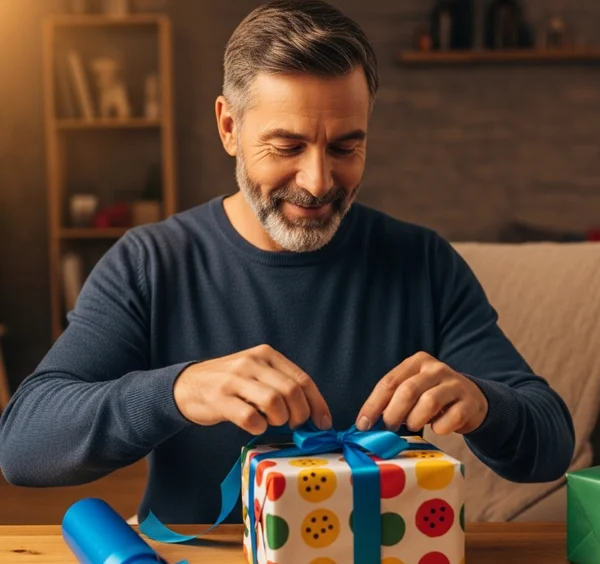
The Importance of Observation and Active Listening
Pay close attention to your partner's comments, interests, and needs. They often drop hints about things they'd like or appreciate. Keen observation is your best tool.
Planning and Effort: Making the Gift Special
Don't wait until the last minute. Put thought into selecting or creating the gift. The effort you invest will shine through. This makes the gift feel truly special.
Presentation and Timing: Adding to the Impact
How a gift is presented can enhance its meaning. Thoughtful wrapping or a special way of giving it can make the moment more memorable. Surprise gifts given at unexpected times can also be very powerful.
If Your Partner's Love Language is Receiving Gifts (Understanding Their Heart)
If your partner's primary love language is Receiving Gifts, it’s crucial to understand what truly makes them feel loved. How do I love someone whose language is receiving gifts?

Recognizing Their Need for Tangible Expressions of Love
Understand that for them, visual, tangible symbols are a primary way they register and feel love. It's not about being "spoiled"; it's about seeing evidence of your care and affection. This is key to understanding their needs.
How to Select Gifts That Truly Resonate with Them
Focus on thoughtfulness and personalization. What are their hobbies, passions, needs, or things they've mentioned? The more the gift reflects your understanding of them, the more it will be cherished. Explore personalized gift ideas.
Avoiding Common Pitfalls When Gifting
Avoid forgetting important occasions (birthdays, anniversaries). Don't give gifts that feel like an afterthought or are clearly impersonal. And remember, for them, the absence of a gift on a significant occasion can feel like a lack of love, regardless of other loving actions.
More Than Just Presents: The Lasting Impact of Thoughtful Gifts
The Receiving Gifts love language is a beautiful and often profound way of connecting. When understood and expressed with sincerity, thoughtful gift ideas become powerful conduits of love, creating lasting memories and reinforcing the bond between individuals. It truly is the thought, the effort, and the symbolic gifts of affection that count.
Understanding all five love languages, including how Receiving Gifts interacts with others, can enrich your relationships. If you're keen to understand your or your partner's complete love language dynamics, taking our comprehensive love language test can provide invaluable insights.
What's the most meaningful gift you've ever received or given? Share your stories in the comments!
Receiving Gifts Love Language: Your Questions Answered
Here are some common questions about the Receiving Gifts love language:
Does the cost of the gift matter for this love language?
Generally, no. While a more expensive gift might sometimes reflect more effort or significance (depending on context), for most people whose primary language is Receiving Gifts, it's the thoughtfulness, personalization, and the fact that you remembered them that holds the most emotional value. A small, meaningful token can be far more impactful than a costly, impersonal one.
What if I'm not good at picking out gifts?
This is a common concern! The key is to listen and observe. Pay attention to hints your partner drops, their hobbies, or things they admire. Don't be afraid to ask subtle questions or enlist the help of their close friends or family. It's the effort to understand and choose thoughtfully that matters.
Is it okay to ask what kind of gifts my partner likes?
Yes, in many cases, it is. While surprises can be wonderful, if you're truly unsure, asking for ideas or a wishlist (especially for bigger occasions) shows you care about getting them something they'll genuinely love. Frame it as wanting to make them happy. This can be part of the gift selection process.
How often should I give gifts if this is my partner's love language?
There's no set schedule, but it's more than just birthdays and holidays. Small, unexpected tokens of affection throughout the year can be very meaningful. The key is consistency in showing you're thinking of them.
Can "gifts of service" (like doing a chore) count for this love language?
While an Act of Service is its own distinct love language, sometimes the result of a service can feel like a gift. For example, if your partner's love language is Receiving Gifts, and you complete a DIY project they've wanted done, the finished project itself could be presented and received as a very thoughtful gift. However, it's important to understand their primary language. If it's truly Receiving Gifts, a tangible item is usually more direct. Knowing their full profile from a love language quiz can help clarify this.