Love Is The Language: Understanding the 5 Ways to Express Affection
"Love is the language" that connects us all—or so the poets say. We grow up believing that if we just love someone enough, they will automatically understand us. But in reality, love isn't a single universal language; it's a family of dialects. If you have ever felt unappreciated despite doing everything for your partner, or if you've felt lonely even when your partner says "I love you," you aren't falling out of love. You might simply be speaking different languages. This guide explores the famous 5 Love Languages framework, explains what "love is the language" truly means for your relationship success, and helps you identify your own unique dialect. If you are ready to find clarity now, you can clear up the confusion with a love language test.
Why We Say "Love Is The Language" (The Universal Concept)
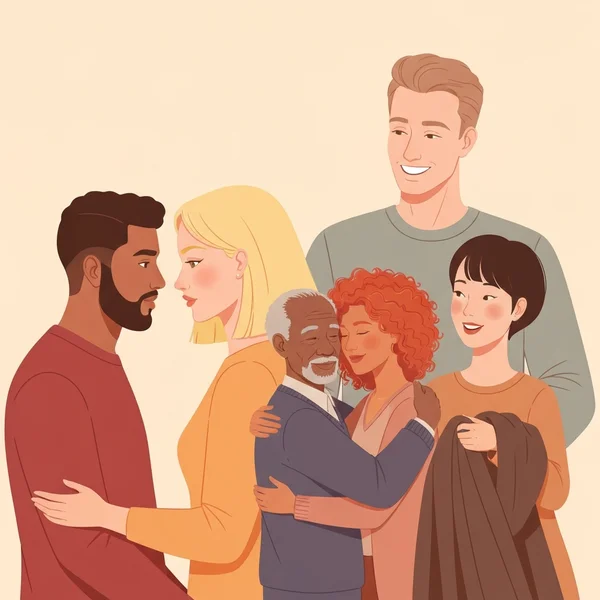
When we say "love is the language," we usually mean that emotions transcend words. A hug, a kind deed, or a gift can speak volumes where vocabulary fails. However, Dr. Gary Chapman, the author of The 5 Love Languages, revolutionized this idea by suggesting that we each have a primary way of expressing and receiving love.
The Poetic Meaning vs. The Practical Reality
Ideally, love should be understood by everyone. But practically, we all have different emotional needs. One person hears "I love you" when they receive a thoughtful gift; another hears it only when the dishes are washed without asking. Recognizing that "love is the language" effectively means learning to speak the specific dialect your partner understands. It transforms vague intentions into concrete, felt connection.
How Misunderstanding Love's "Dialects" Causes Conflict
Imagine trying to explain a complex feeling in French to someone who only speaks Spanish. No matter how loud you speak, they won't understand. In relationships, this looks like one partner working overtime to provide (Acts of Service) while the other feels neglected because they crave deep conversation (Quality Time). The disconnect isn't a lack of love; it's a translation error. When you learn to translate your affection, conflict often diminishes because both partners finally feel "heard."
The 5 Love Languages: A Complete Guide to Each Type
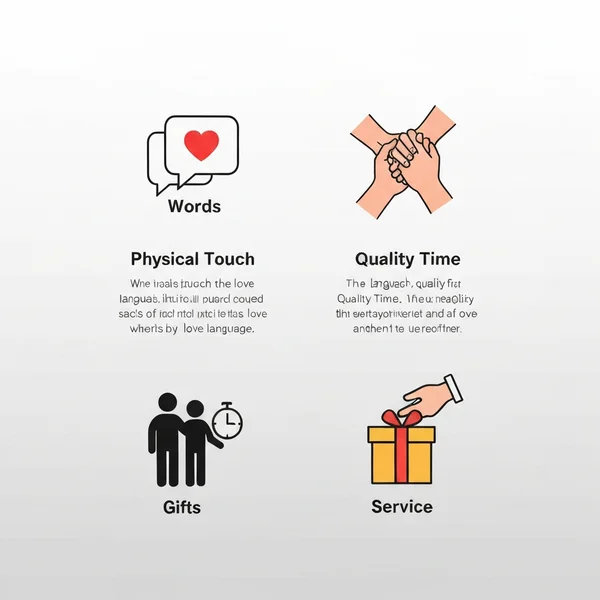
Dr. Chapman identified five distinct categories. Understanding these is the first step to fluency in the language of love.
Words of Affirmation: Expressing Love Through Verbal Appreciation
For these individuals, unsolicited compliments mean the world. Hearing the words "I love you" is important, but hearing why you are loved is even better.
- Key Triggers: "I appreciate how hard you work," "You look beautiful in that dress," "I'm so proud of what you achieved today."
- The Hurt: Insults or harsh criticism can be devastating and are not easily forgotten. Verbal abuse is particularly damaging to this type.
Quality Time: The Gift of Undivided Attention
This language is all about giving your partner your undivided attention. It's not just sitting on the couch together watching TV; it's looking at each other and talking, with phones put away.
- Key Triggers: Meaningful conversation, shared activities like hiking or cooking, active listening without interrupting.
- The Hurt: Distractions, postponed dates, or not listening trigger anxiety. Being "alone together" (both on phones) causes deep loneliness.
Receiving Gifts: Visual Symbols of Affection
Don't mistake this for materialism. The receiver of gifts thrives on the love, thoughtfulness, and effort behind the gift. It serves as a visual reminder that "he/she was thinking of me."
-
Key Triggers: Small tokens brought back from a trip, surprise gifts for no reason, handmade cards, thoughtful gestures like bringing coffee.
-
The Hurt: Missed birthdays, thoughtless generic gifts, or the absence of tangible gestures on special occasions.
Acts of Service: Actions Speak Louder Than Words
Can vacuuming the floors be an expression of love? Absolutely. Anything you do to ease the burden of your partner's responsibilities speaks volumes to this person.
- Key Triggers: "Let me do that for you," doing chores without being asked, cooking dinner, filling up the gas tank, helping with errands.
- The Hurt: Broken commitments, laziness, and making more work for them (like leaving a mess) feels like a direct rejection of their worth.
Physical Touch: The Power of Human Contact
This isn't just about bedroom intimacy. For this person, physical presence and accessibility are crucial. Holding hands, hugs, pats on the back, and thoughtful touches on the arm are their emotional lifeline.
- Key Triggers: Long hugs, holding hands while walking, sitting close on the sofa, a reassuring touch on the shoulder.
- The Hurt: Physical neglect, coldness, or long periods without intimacy make them feel unloved and rejected.
How to Identify Your Primary Love Language: Signs & Self-Reflection
Discovering your primary love language is a journey of self-reflection. Most of us have one dominant language and one secondary one using a few simple observation techniques.
Recognizing How You Express Love to Others
We often give love in the way we wish to receive it.
- The Gift Giver: Do you constantly buy gifts for your friends? You likely value Receiving Gifts.
- The Helper: Do you naturally offer to help people move house or fix things? You might speak Acts of Service.
- The Encourager: Are you always the one sending long, supportive texts? Words of Affirmation might be your dialect.
Noticing What You Complain About Most
Your complaints often reveal your deepest emotional needs.
- "We never talk anymore" or "You're always on your phone" -> Quality Time.
- "You never help me around the house" or "I do everything myself" -> Acts of Service.
- "You never touch me" or "You feel so distant" -> Physical Touch.
Can You Have Two Love Languages? (Primary vs. Secondary)
Yes, it is very common. You might have a primary language that fills your "love tank" the fastest, and a secondary one that is also important. For example, you might need Words of Affirmation every day (Primary), but also feel deeply loved through Physical Touch (Secondary). Understanding your hierarchy helps you prioritize what you ask for.
Reflecting on What Makes You Feel Most Loved
Think back to a time you felt truly appreciated. What happened? Did someone write you a heartfelt letter? Did they spend the whole Saturday with you? Did they surprise you with a thoughtful item? That memory is a potent clue to your primary love language.
Ready to Discover Your Love Language? Start Your Journey Here
While introspection is helpful, sometimes our own biases can cloud our judgment. You might think you want gifts because society says you should, when deep down you crave quality time.
Why Intuition Isn't Always Enough
It's easy to confuse what we enjoy with what we need emotionally. You might enjoy a gift, but does it truly make you feel secure in the relationship? Many people misdiagnose themselves based on momentary desires rather than deep-seated emotional patterns.
Try the Free Love Language Test for Clarity
To get a clear, objective picture of your emotional needs, we recommend taking a structured assessment. It helps cut through the noise and provides a concrete profile of your primary and secondary languages.
- Step 1: Set aside 5 minutes in a quiet space.
- Step 2: Answer the questions honestly, based on how you truly feel, not how you "should" feel.
- Step 3: See your results instantly and share them with your partner.
Start your free love language test to gain immediate insights into your relationship dynamics.
What Your Results Can Reveal About Your Needs
Your results aren't a medical diagnosis; they are a roadmap. They tell you (and your partner) exactly what fills your emotional cup, removing the guesswork from your relationship. Knowing your profile empowers you to ask for what you need clearly and kindly.
Why Speaking Your Partner’s Language Is Critical for Connection
Once you know that "love is the language" with many dialects, you can stop shouting in English and start whispering in French (metaphorically).
The "Empty Love Tank" Concept Explained
Dr. Chapman visualizing the emotional need for love as a "tank." When the tank is full, we feel secure, happy, and generous. When it is empty, we feel used, unloved, and resentful. Speaking the wrong language—no matter how loudly or frequently—will never fill the tank. It is like trying to fill a car with diesel when it needs gas; the effort is there, but the result is damage.

Navigating Conflict When Languages Clash
If you are an "Acts of Service" person married to a "Quality Time" person, you might be cleaning the kitchen to show love, while your partner sits on the couch feeling ignored. You feel unappreciated ("I did all this work!"), and they feel unloved ("You never sit with me!").
- The Fix: Acknowledge the emotional validity of the other person's language. "I am cleaning because I love you" needs to be consciously translated into "I will sit with you for 20 minutes first, and then we can clean together."
The Takeaway
Ultimately, love is the language that requires lifelong practice. It is not enough to be sincere; we must also be effective. By identifying your unique dialect—and your partner's—you can bridge the gap between good intentions and true connection. Whether you need Words of Affirmation or Physical Touch, understanding yourself is the first step. If you are unsure where to begin, a comprehensive love language test is the perfect starting point for your journey toward a deeper, more fulfilling relationship.
Frequently Asked Questions About Love Languages
Is French or Spanish known as "the language of love"?
Historically, French is often cited as the "language of love" due to its euphonic nature and France's cultural history of romanticism. However, in the context of relationships, "love is the language" refers to psychological expression, not linguistic roots.
Can your love language change over time?
Yes, life stages can shift your needs. A young parent might suddenly value Acts of Service (help with the baby) more than Physical Touch, which might have been dominant during dating or the honeymoon phase.
Can a relationship sustain if partners have different love languages?
Absolutely. Most couples have different languages. The key is not to be the same, but to learn to speak the other person's language, even if it feels foreign at first.
Is there a specific sign language sign for "I love you"?
Yes, in American Sign Language (ASL), the sign for "I love you" combines the letters I, L, and Y. You raise your thumb, index finger, and pinky finger while keeping your middle and ring fingers down.
Do men and women have different common love languages?
Stereotypically, people assume men prefer Physical Touch and women prefer Acts of Service or Gifts, but research shows there is no strict gender divide. Every individual is unique.