5 Lenguajes del Amor Explained in English With Examples and Test Tips
If you searched for “5 lenguajes del amor,” you are probably looking for a clear explanation of the five love languages in Spanish, plus a practical way to understand your own style. In English, the idea is usually called the “five love languages”: Words of Affirmation, Quality Time, Receiving Gifts, Acts of Service, and Physical Touch. A free love language test can help you reflect on which of these feels most meaningful to you, but the real value comes from using the result as a conversation starter. This guide explains the Spanish terms, everyday examples, and careful ways to apply the framework without turning it into a rigid label.
What Does “5 Lenguajes del Amor” Mean?
“Los 5 lenguajes del amor” translates to “the five love languages.” The phrase comes from Gary Chapman’s relationship framework, which suggests that people often give and receive affection through different channels. Someone may feel deeply loved when a partner offers focused attention, while another person may notice love most clearly through helpful actions or kind words.
The framework is popular because it gives people simple language for a common relationship problem: “I am trying to show care, but it is not landing the way I expected.” It does not mean everyone has only one fixed style. Most people appreciate all five love languages in different situations. A primary language simply points to the kind of affection that tends to feel especially clear, comforting, or memorable.
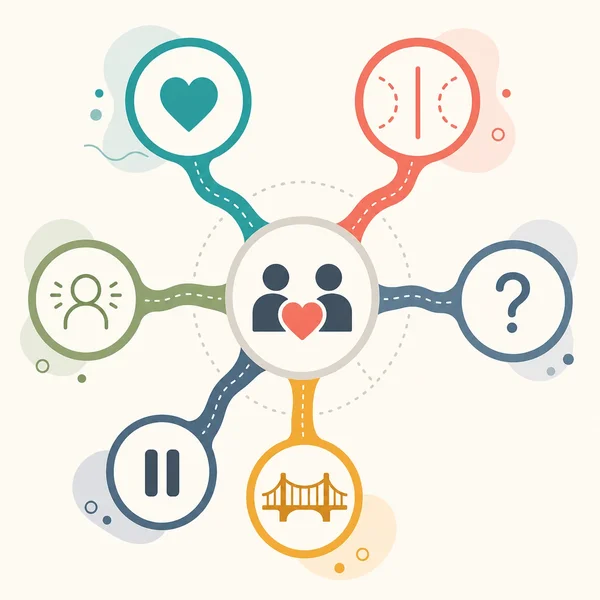
For Spanish-speaking readers, the five common translations are:
| Spanish term | English term | Core idea |
|---|---|---|
| Palabras de afirmacion | Words of Affirmation | Love expressed through kind, specific words |
| Tiempo de calidad | Quality Time | Love expressed through focused presence |
| Recibir regalos | Receiving Gifts | Love expressed through thoughtful symbols |
| Actos de servicio | Acts of Service | Love expressed through helpful actions |
| Contacto fisico | Physical Touch | Love expressed through appropriate, caring touch |
The Five Love Languages With Simple Examples
Each language becomes easier to understand when you imagine it in ordinary life, not as a grand romantic gesture.
Words of Affirmation are verbal expressions of care. This can include appreciation, encouragement, compliments, apologies, or simple sentences that make someone feel noticed. A person who values this language may remember exact words for a long time, especially when the words are specific: “I noticed how patient you were today” often feels stronger than a generic “you are great.”
Quality Time is about attention, not just being in the same room. It may look like a walk without checking your phone, a weekly coffee conversation, cooking together, or asking follow-up questions because you genuinely want to understand. For someone with this language, distraction can feel like distance, even when the other person is physically present.
Receiving Gifts is often misunderstood as materialism. In the love language framework, the gift matters because it represents thoughtfulness. A small note, a favorite snack, a flower picked on a walk, or a book chosen carefully can feel meaningful because it says, “I was thinking about you when you were not in front of me.”
Acts of Service are practical actions that lighten a burden. This can include helping with errands, fixing something, making a meal, taking over a stressful task, or following through on a promise. The emotional message is not “you cannot handle this.” It is “your time and energy matter to me.”
Physical Touch includes affectionate, appropriate touch such as holding hands, hugs, a hand on the shoulder, cuddling, or sitting close. Context and consent are essential. Touch should never be assumed, demanded, or used to pressure someone. When it is welcome, it can communicate warmth quickly and quietly.
How a Love Language Test Can Help Without Labeling You
Many search terms around “5 lenguajes del amor test,” “5 love languages quiz free,” and “love language test” show that readers want more than a definition. They want to know where they fit. A quiz can help because it makes you compare everyday preferences: Would you rather receive a thoughtful message, shared time, help with a task, a symbolic gift, or physical closeness?
The best way to use a personal love language profile is not to declare, “This is who I am forever.” Instead, use it to notice patterns. Ask yourself:
- Which kind of affection do I miss first when life gets busy?
- Which gesture makes me feel understood without much explanation?
- Which language do I naturally give, even if others do not ask for it?
- Which language feels difficult because of my upbringing, stress level, or past experiences?
Your answers may change with relationship stage, culture, health, stress, distance, or family habits. A single result should not replace honest communication. It should make communication easier.

Spanish Search Intent: Test, PDF, Resumen, and “Official” Results
People searching in Spanish often use terms such as “los 5 lenguajes del amor resumen,” “test para imprimir,” “examen pdf,” or “test oficial.” These searches point to four different needs.
First, some readers want a quick summary. For that need, the most useful answer is a clear explanation of the five categories and examples from daily life.
Second, some want a printable worksheet or PDF. Printable reflections can be useful for couples, friends, families, or personal journaling. The caution is that a PDF should not turn the framework into a score that decides whether a relationship is good or bad. It is better as a discussion tool.
Third, some readers want an “official” result. Be careful with that expectation. Love language quizzes are self-reflection tools, not clinical instruments. Even a well-designed quiz depends on your current mood, your interpretation of the questions, and the context of your relationships.
Fourth, some readers are looking for the book or a full downloadable copy. When learning from summaries, respect copyright and use legitimate sources. A practical article or quiz can explain the concept, but it should not pretend to replace the original book or professional relationship support.
How to Use the 5 Lenguajes del Amor in Real Relationships
The five languages become more useful when you move from labels to habits. Start with observation. Notice what the other person requests, complains about, thanks you for, or gives most often. People often ask for love in the language they understand best.
Then make one small experiment. If your partner values Quality Time, plan 20 minutes of undistracted conversation. If your friend values Words of Affirmation, send a specific message before an important day. If a family member values Acts of Service, help with a task before they have to ask twice. Keep the gesture realistic. A small action repeated kindly is usually more sustainable than a dramatic gesture you cannot maintain.
It also helps to separate preference from entitlement. A love language explains what feels meaningful; it does not give anyone permission to demand constant attention, expensive gifts, unpaid labor, or unwanted touch. Healthy use includes boundaries, consent, and mutual effort.
When two people have different languages, translate instead of judging. A person who loves through service may not be “unromantic.” They may be saying “I love you” by handling a stressful responsibility. A person who needs affirming words may not be “needy.” They may simply process care through language. The goal is not to erase your natural style, but to become more fluent in the other person’s style.
A Simple Reflection Checklist
Use this short checklist before or after taking a quiz:
- I can name one love language that feels especially meaningful to receive.
- I can name one love language I naturally give to others.
- I can describe one gesture that makes me feel cared for.
- I can describe one gesture that does not feel meaningful to me, even if it is kind.
- I can ask someone what helps them feel loved without assuming I already know.
- I can respect a boundary when someone does not want a certain kind of affection.
If you are using the framework with a partner, each person can answer the checklist separately and then compare. Look for practical requests, not accusations. “I would love one phone-free dinner this week” is easier to act on than “You never give me quality time.”

When Love Languages Are Not Enough
The five love languages can improve everyday communication, but they do not solve every relationship issue. If a relationship includes fear, coercion, repeated boundary violations, emotional manipulation, or physical harm, the priority is safety and appropriate support, not finding the right love language.
The framework also has limits in long-term conflict. Two people can understand each other’s preferred language and still need help with trust, money stress, parenting pressure, intimacy concerns, or communication patterns. In those cases, a qualified counselor, therapist, or local support service may be more appropriate than another quiz or worksheet.
Think of love languages as a vocabulary tool. They can help you say, “This is how care reaches me,” and “I want to understand how care reaches you.” That is valuable, but it works best alongside listening, boundaries, repair, patience, and shared responsibility.
Choosing Your Next Step With the 5 Lenguajes del Amor
If you came here for “5 lenguajes del amor,” begin with the translation, then move into self-reflection. Learn the five English names, connect them to the Spanish terms, and notice which examples feel most familiar. After that, you can explore a gentle love language quiz and compare the result with your real-life experiences.
Your result is not a verdict on your relationship. It is a prompt for better questions: What helps me feel loved? What helps you feel loved? What can we practice this week in a way that feels kind, realistic, and mutual?
FAQ
What are the 5 lenguajes del amor in English?
The five love languages in English are Words of Affirmation, Quality Time, Receiving Gifts, Acts of Service, and Physical Touch. In Spanish, they are often translated as palabras de afirmacion, tiempo de calidad, recibir regalos, actos de servicio, and contacto fisico.
Is a love language test the same as a relationship assessment?
No. A love language test is best used for self-reflection and conversation. It can help you notice patterns in how you prefer to receive affection, but it should not be treated as a clinical assessment or a final judgment about a relationship.
Can my primary love language change?
Yes, it can shift over time. Stress, age, relationship stage, distance, family roles, and life experience can all affect which kind of affection feels most important. Many people also have a primary and secondary language rather than one fixed style.
What if my partner and I have different love languages?
Different love languages are common. The useful response is to translate affection more intentionally. Keep your natural style, but learn small ways to speak the other person’s preferred style, such as more focused time, clearer words, practical help, thoughtful gifts, or welcome touch.
Are love languages only for couples?
No. The framework can also help with friendships, family relationships, and self-awareness. The examples may change by context, especially with Physical Touch, but the core idea still applies: people notice care in different ways.
Should I look for a printable PDF test?
A printable PDF can be helpful if you want to reflect offline or discuss answers with someone else. Use it as a worksheet, not as proof that one person is right and the other is wrong. The conversation after the worksheet is usually more valuable than the score.