3-Week Love Language Challenge: Transform Relationships After Taking Our Free Love Language Test
Tired of taking relationship tests only to wonder, "Now what?" Have you ever found yourself showing love in a way that doesn't quite land? You've discovered your love language, but putting that knowledge into daily practice can feel overwhelming. Before you dive in, it's essential to know your starting point. You can discover your love language with our quick, free quiz.
This 3-Week Love Language Challenge connects your understanding of love language with daily practices. It helps you deepen every relationship in your life. It’s a practical action plan designed to turn insight into meaningful connection. Forget grand, complicated gestures—this challenge is all about small, consistent actions that create lasting change.
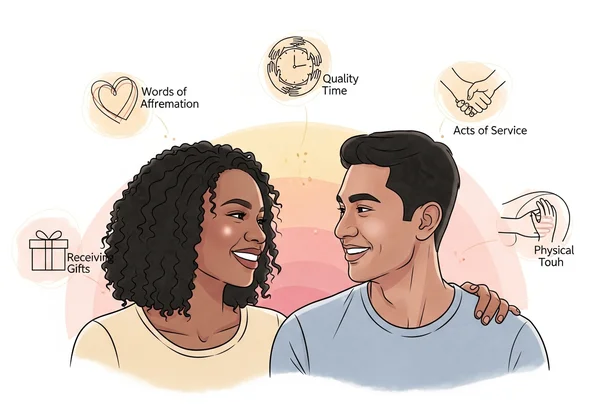
Understanding Your Love Language Test Results
To get the most out of this challenge, it's crucial to understand the basics. Your love language profile is more than just a single label; it’s a guide to your emotional needs and a map to understanding others. This foundation is key to applying the daily practices effectively.
Primary vs. Secondary Love Languages: What This Means for Daily Interactions
Most people have one primary love language that speaks to them most deeply, but we also have a secondary one that’s very important. Think of your primary language as the way you feel most loved and appreciated. Your secondary language is like a strong supporting dialect; it still makes you feel good, but it doesn't fill your "love tank" quite as quickly.
In daily life, this means you should focus your efforts on speaking your loved one’s primary language first. However, don't ignore their secondary language. Sprinkling in actions that cater to both can make your expressions of love feel more complete and well-rounded.
The Common Mistake: Speaking Your Love Language Instead of Your Partner's
One of the biggest hurdles in relationships is the "Golden Rule" mistake: we love others the way we want to be loved. If your love language is Acts of Service, you might do the laundry for your partner to show you care. But if their primary language is Quality Time, they might have preferred a 20-minute walk together over a clean hamper.
The goal is to learn to speak their language, even if it feels unnatural at first. This shift from "What makes me feel loved?" to "What makes them feel loved?" is the single most powerful change you can make. Understanding this difference is the first step. A free love language test offers the easiest way to get that clarity for both of you.
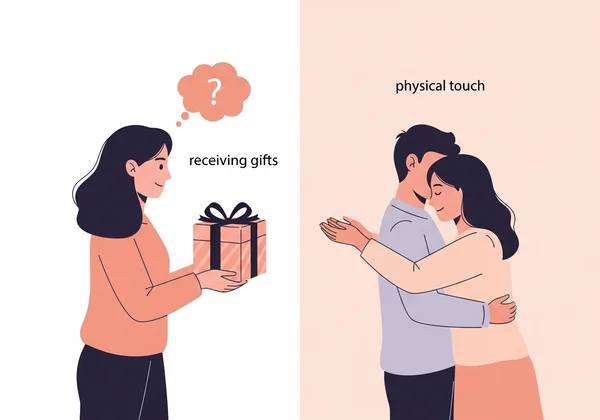
How to Identify Love Language Needs in Others' Behaviors
What if your partner or friend hasn't taken the test? You can become a love language detective. Pay attention to three key areas:
- How they show love to you and others: Do they always offer compliments (Words of Affirmation)? Are they constantly doing things for people (Acts of Service)? People often express love in the language they wish to receive.
- What they complain about most: Listen to their frustrations. "We never spend time together anymore" is a cry for Quality Time. "You never help me around the house" points to Acts of Service.
- What they request most often: Do they ask for hugs (Physical Touch) or want to go on walks with you (Quality Time)? These requests are direct clues to their needs.
Week 1-2: Applying Your Love Language Test Results Daily
The heart of the challenge lies in these small, daily actions. For the first two weeks, focus on practicing each language. If you know your partner's primary language, spend extra time on that section. If you're unsure, try a little of everything and see what gets the best response.
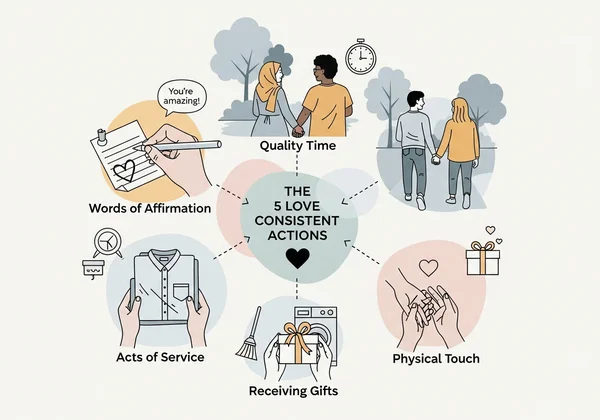
Words of Affirmation: 7 Daily Practices That Build Lasting Confidence
This language is about using words to build people up. It's not just about compliments; it's about expressing appreciation, encouragement, and empathy.
- Day 1: Send an unexpected text message praising a specific quality you admire.
- Day 2: Verbally thank them for something routine they did, like making coffee.
- Day 3: Brag about them to a friend while they can overhear you.
- Day 4: Write a short note and leave it where they will find it.
- Day 5: Acknowledge their effort on a difficult task, even if the outcome wasn't perfect.
- Day 6: Start a sentence with, "I really appreciate it when you..."
- Day 7: Tell them you believe in them.
Quality Time: Creating Connection in 15-Minute Daily Segments
Quality Time is about giving someone your undivided attention. It doesn't have to be a two-hour date; short, focused bursts of connection can be incredibly powerful. The key is no phones, no TV, just you and them.
- Day 1: Go for a 15-minute walk together after dinner.
- Day 2: Put your phones away and ask, "What was the best part of your day?"
- Day 3: Make coffee or tea and sit together for 10 minutes before starting the day.
- Day 4: Cook a simple meal together.
- Day 5: Do a puzzle or play a card game.
- Day 6: Go for a drive with no destination, just talking.
- Day 7: Sit in silence together, simply enjoying each other's presence.
Acts of Service: Small Gestures That Make a Big Impact
For someone whose language is Acts of Service, actions truly speak louder than words. This is about easing their burdens and doing things you know they would appreciate.
- Day 1: Make their coffee or tea exactly how they like it.
- Day 2: Take care of a chore they dislike without being asked.
- Day 3: Fill up their car with gas.
- Day 4: Prepare their lunch for the next day.
- Day 5: Handle a small errand for them.
- Day 6: Tidy up a shared space you know is bothering them.
- Day 7: Ask, "Is there one thing I can do today to make your life easier?"
Gifts: Meaningful Gestures Beyond Material Value
Receiving Gifts is not about materialism. It’s about the thought and effort behind the gift. A meaningful gift says, "I was thinking of you." It shows you listened and you care.
- Day 1: Pick up their favorite snack or drink on your way home.
- Day 2: Find a beautiful rock or flower on a walk and give it to them.
- Day 3: Make a playlist of songs that remind you of them.
- Day 4: Buy them a small item you know they need but wouldn't buy for themselves.
- Day 5: Print a favorite photo of the two of you and put it in a frame.
- Day 6: Leave their favorite chocolate on their pillow.
- Day 7: Send them a link to an article or video you know they'll love.
Physical Touch: Creating Daily Connection Through Appropriate Touch
This language is about feeling connected and safe through physical contact. It's more than just intimacy; it’s the small touches throughout the day that build a sense of closeness.
- Day 1: Give them a longer-than-usual hug.
- Day 2: Squeeze their hand when you're sitting together.
- Day 3: Gently touch their arm or shoulder as you walk by.
- Day 4: Give them a quick neck or shoulder rub.
- Day 5: Sit close to them on the couch while watching TV.
- Day 6: Hold hands while walking.
- Day 7: Greet them with a hug or a kiss at the end of the day.
Week 3: Integrating Love Languages into All Your Relationships
The five love languages are a universal framework for human connection. In the final week, expand your focus beyond your primary romantic relationship and see how these principles can transform your interactions with family, friends, and even colleagues.
Love Languages in Family Dynamics: Parents, Siblings, and Extended Family
Family relationships can be complex, but love languages provide a simple tool for cutting through misunderstanding. A parent whose love language is Acts of Service might not understand why their adult child just wants to talk (Quality Time). Recognizing these differences can build empathy and bridge generational gaps. Try identifying the love language of a parent or sibling and perform one small action for them this week.
Applying Love Languages at Work and in Friendships
While some languages (like Physical Touch) must be adapted for professional settings, the principles remain the same. A manager who gives public praise (Words of Affirmation) to a team member who values it can boost morale significantly. A friend who helps you move (Acts of Service) is showing care in a tangible way. These concepts foster appreciation and build stronger, more supportive platonic and professional bonds.
Adapting Your Approach for Different Personalities and Situations
Flexibility is key. A grand gesture might be perfect for a birthday, but small, consistent actions are what build trust day-to-day. An introverted partner who values Quality Time might prefer a quiet evening at home over a loud party. Pay attention to context and personality. The goal isn't to follow a rigid script but to become a more thoughtful and effective communicator of love. The best way to start is by knowing your own profile—take the quiz to get personalized insights.
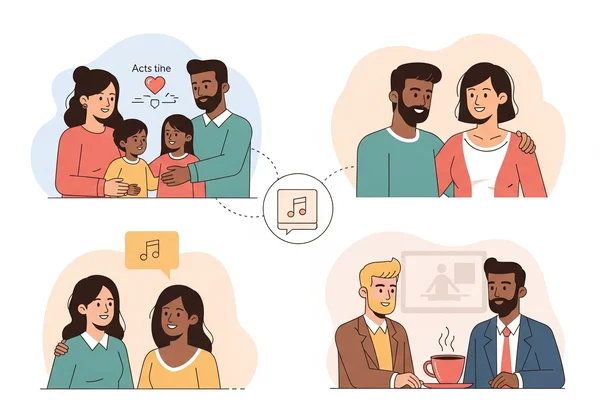
Your Love Language Journey Continues Beyond 21 Days
As you wrap up this 3-week journey, remember that you've taken significant steps toward more mindful relationships. This isn't an endpoint but rather the start of a deeper connection with those you care about. The goal is to turn these practices into lasting habits. You've now built a foundation for more empathetic and connected relationships.
Remember, consistency matters more than perfection. If you miss a day, just pick it up the next. The real transformation happens when you continue to observe, listen, and respond to the emotional needs of those you care about. Keep your love language results handy as a reminder, and encourage your loved ones to discover theirs, too.
Ready to start your journey with a clear understanding of your emotional needs? Take the free love language test now and unlock the first step to transforming your relationships.
Frequently Asked Questions About the Love Language Challenge
Can I do the challenge with my partner even if we have different primary love languages?
Absolutely! That is the ideal scenario. The challenge is designed to help you practice speaking your partner's language while they practice speaking yours. It builds empathy and helps both of you step outside your comfort zones for the benefit of the relationship.
What if I miss a day during the challenge? Should I start over?
No need to start over. The goal is progress, not perfection. Simply pick up where you left off. The most important thing is to maintain momentum and a positive attitude toward building better connection habits.
How long does it typically take to see improvements in relationships after starting the challenge?
Many people report feeling a positive shift within the first week. Small, consistent actions can have a surprisingly fast impact. Your partner or friend may not consciously know what you're doing, but they will feel more seen, valued, and appreciated.
Can I adapt the challenge for children or elderly family members?
Yes, the love languages are applicable across all ages. For children, the actions can be simplified. A child who loves Quality Time might just want you to watch them play for 10 minutes. For an elderly parent, Acts of Service like helping with groceries can be profoundly meaningful. To understand their needs better, you can start by taking the relationship test yourself.
How do I know which love language actions will be most effective for my specific relationship?
Observation is your best tool. Pay close attention to their reaction when you try different actions. A heartfelt smile, a sigh of relief, or an enthusiastic "thank you" are all signs that you've spoken their language correctly. The most effective action is always the one that makes the other person feel genuinely loved.