Acts of Service Love Language: More Than Chores
For some, love isn't best expressed through grand declarations or expensive gifts, but through tangible actions. If "actions speak louder than words" deeply resonates with you or your partner, then the Acts of Service love language likely plays a significant role in your relationship. But what are acts of service exactly, and how do they differ from everyday obligations? This guide delves into the true meaning of showing love through actions, offering practical acts of service ideas that go far beyond mere chores. Curious if this is your primary way of feeling loved? You can explore your love language profile on our site.
What Defines the "Acts of Service" Love Language?
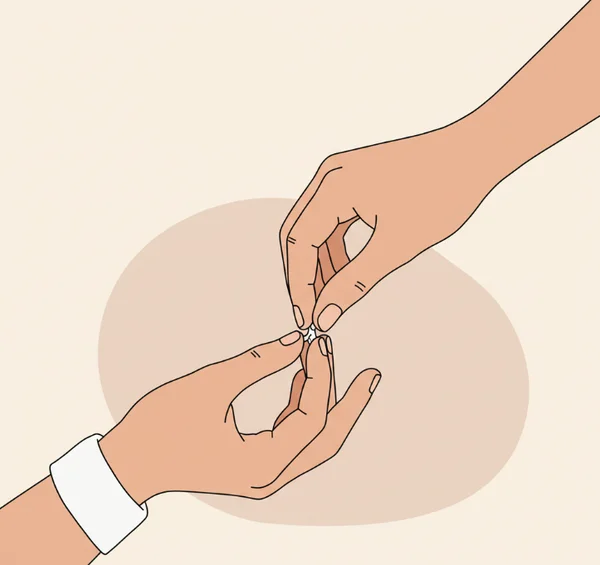
The "Acts of Service" love language revolves around voluntarily doing things for another person that you know they would appreciate. What is the meaning of acts of service in love languages? It's about expressing care, support, and affection by easing their burdens, helping with responsibilities, or simply making their life a little easier through your actions.
The Core Principle: Easing Burdens Willingly
At its heart, this language is about selfless giving of your time and energy. The emphasis is on willingly taking on tasks or responsibilities to benefit your partner, showing them you value their well-being and want to support them. This is a key aspect of relationship support.
Beyond Helpfulness: It's About Expressing Care
While helpfulness is a component, an Act of Service is imbued with the intention of love. It’s not just about getting a task done; it’s about the underlying message: "I care about you enough to do this for you." This demonstration of love is paramount.
How It Differs from Other Love Languages
Unlike Words of Affirmation which relies on verbal praise, or Receiving Gifts which involves tangible presents, Acts of Service is about the love language doing things. It's a practical, hands-on approach to showing affection that deeply resonates with those who value assistance and support.
The Key Difference: Thoughtful Actions vs. Routine Obligations
A common point of confusion is distinguishing genuine Acts of Service from routine chores or obligations. How do you differentiate acts of service from chores?
The Spirit of Giving: Intention Matters Most
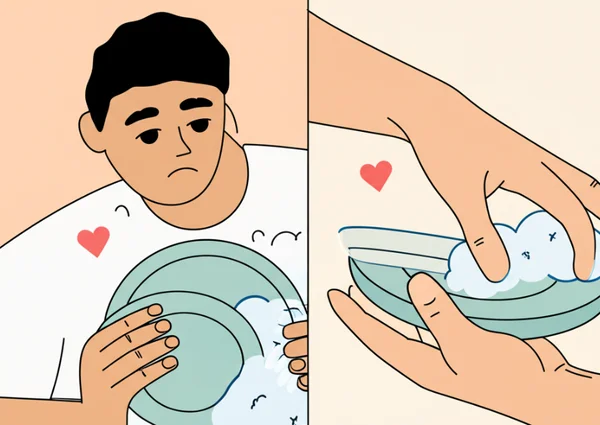
The defining factor is the intention behind the action. Doing the dishes because it's "your turn" is an obligation. Doing them because you know your partner had a hard day and you want to lighten their load is an Act of Service. The motivation to serve is crucial.
Anticipating Needs vs. Responding to Requests
While responding to a request for help can be an Act of Service, proactively noticing a need and addressing it without being asked often carries even more weight. This shows attentiveness and a deep understanding of needs.
Recognizing When a "Chore" Becomes an Act of Love
Even a mundane task can transform into a powerful Act of Service when performed with a loving attitude, specifically to please or support your partner. It's about the "why" behind the "what," turning everyday tasks into expressions of care. If you're unsure how your partner perceives these actions, our love language test can offer insights.
Why "Doing Things" Speaks Volumes to Some People
For individuals whose primary love language is Acts of Service, tangible help can feel more loving than any other expression. Why do some people prefer acts of service?
The Feeling of Being Supported and Cared For
Actions that reduce stress or make life easier create a strong sense of being supported and cherished. It communicates that their partner is a true teammate, willing to share life's burdens. This fosters emotional connection.
Tangible Expressions of Love and Commitment
For some, words can feel empty without corresponding actions. Acts of Service provide concrete, visible evidence of love and commitment. It’s a practical demonstration of affection that they can see and feel.
How Actions Can Outweigh Words or Gifts for Them
While they might appreciate a compliment or a gift, the act of someone thoughtfully taking a task off their plate can fill their "love tank" far more effectively. This is because their primary method of feeling loved is through helpful deeds.
Creative & Practical Acts of Service Ideas Your Partner Will Love
Looking for concrete acts of service ideas? Here are some to inspire you, ranging from small daily gestures to more significant efforts. Remember to tailor them to your partner’s specific needs and preferences.

Easing Daily Burdens
- Taking over a dreaded task.
- Making their coffee or breakfast in the morning.
- Packing their lunch for work.
- Running errands they haven't had time for.
- Doing the grocery shopping or meal planning for the week. These helpful gestures can make a big difference.
Thoughtful Surprises
- Preparing their favorite meal after a long day.
- Washing their car unexpectedly.
- Setting up a relaxing bath for them.
- Taking care of a pet's needs without being asked.
- Tidying up a shared space you know they appreciate being clean. Surprise acts of kindness are often well-received.
Being There in Times of Need
- Offering help and support when they are sick or stressed.
- Taking care of children or household tasks when they are overwhelmed.
- Driving them to appointments.
- Being a listening ear and then offering practical help if appropriate. This shows support in difficult times.
Supporting Their Goals & Hobbies
- Helping them with a personal project or hobby.
- Creating a dedicated space for their interests.
- Taking on extra responsibilities so they can pursue a goal.
- Researching something for them related to their passion. This demonstrates partner support.
Small Gestures That Make a Big Difference
- Warming up their car on a cold day.
- Bringing them a glass of water without them asking.
- Ensuring their favorite snack is stocked.
- Taking out the trash or recycling before it overflows.
- Charging their phone if you notice it's low. These small thoughtful acts add up.
How to Offer Acts of Service Without Feeling Resentful
Consistently performing Acts of Service can sometimes lead to burnout or resentment if not approached correctly. How can I offer acts of service without feeling resentful?

Understanding Your Own Motivations
Ensure you are offering service out of genuine love and a desire to support, not out of obligation, guilt, or expectation of something specific in return. Selfless service is key.
The Importance of Communication and Boundaries
Communicate with your partner about what you are willing and able to do. It's okay to have boundaries. Healthy relationships involve give and take, not one-sided servitude. This is part of healthy relationship dynamics.
Finding Joy in Giving
When your acts of service align with your partner’s genuine needs and are appreciated, there can be great joy in giving. Focus on the positive impact your actions have. Understanding if this is also one of your ways of expressing love can be explored by taking the love language test online.
If Your Partner's Love Language is Acts of Service
If your partner’s primary love language is Acts of Service, knowing how to "speak" it effectively is vital. How do you show love through acts of service?

Recognizing Their Appreciation for Practical Support
Understand that for them, your willingness to help with tasks, anticipate their needs, and ease their burdens is a profound expression of love. Practical love is what they value.
How to Make Your Actions Truly Resonate
Pay attention to the things that genuinely make their life easier or less stressful. Ask them what would be most helpful. Tailor your services to their specific preferences. Personalized service matters.
Avoiding the Pitfall of "Obligation"
Perform acts of service with a cheerful and willing spirit. If actions feel like they are done begrudgingly or out of mere obligation, they will likely not be received as expressions of love.
Embrace Acts of Service Today!
The Acts of Service love language is a powerful, tangible way to demonstrate love, care, and commitment. It’s about more than just doing chores; it’s about showing love through actions that are thoughtful, intentional, and aimed at genuinely supporting your partner. By understanding its nuances and incorporating these acts of service ideas into your relationship, you can build a stronger, more deeply connected bond.
Remember, true service comes from the heart. If you're curious about how Acts of Service interacts with your other love languages, or want to better understand your partner's complete profile, exploring further can be incredibly beneficial. Discover more about the 5 love languages here.
What are some Acts of Service that mean the most to you or that you enjoy doing for others? Share your experiences in the comments below!
Your Common Questions Answered
Here are some common questions about the Acts of Service love language:
Do acts of service have to be big gestures?
No, not at all. While grand gestures can be appreciated, for someone whose primary language is Acts of Service, consistent small, thoughtful actions often mean just as much, if not more. Making their coffee, taking out the trash without being asked, or running a quick errand can be powerful daily acts of love.
What if I'm too busy to do many acts of service?
It's about quality, not always quantity. Even with a busy schedule, look for small opportunities. Perhaps it's 15 minutes dedicated to a task that helps them, or planning one significant act of service per week. Open communication about your limitations and intentions is also key.
How do I know if my partner's "acts of service" are genuine or just chores?
Observe the attitude and intention. Are the actions performed willingly, thoughtfully, and with an apparent desire to please or help you? Or do they feel like grudging obligations? Genuine Acts of Service often come with a sense of care, whereas chores might be done mechanically. This is a key part of interpreting actions.
Can doing chores count as an act of service if done with the right attitude?
Yes, absolutely! If a chore is done specifically to lighten your partner's load, to make them happy, or to show you care – and they perceive it that way – it can definitely be a powerful Act of Service. The loving intention transforms it.
My partner does a lot for me, but I don't feel loved. Why?
This is a classic sign that Acts of Service might be their primary way of showing love, but not your primary way of receiving it. Your primary love language might be Words of Affirmation, Quality Time, etc. Understanding both your profiles is key. To explore this further, you and your partner could take the love language quiz.